Which one is actually worth the money if you have dry or mature skin — and which one we'd tell you to skip, even though it's the most famous name on this list.
Last updated: September 2026
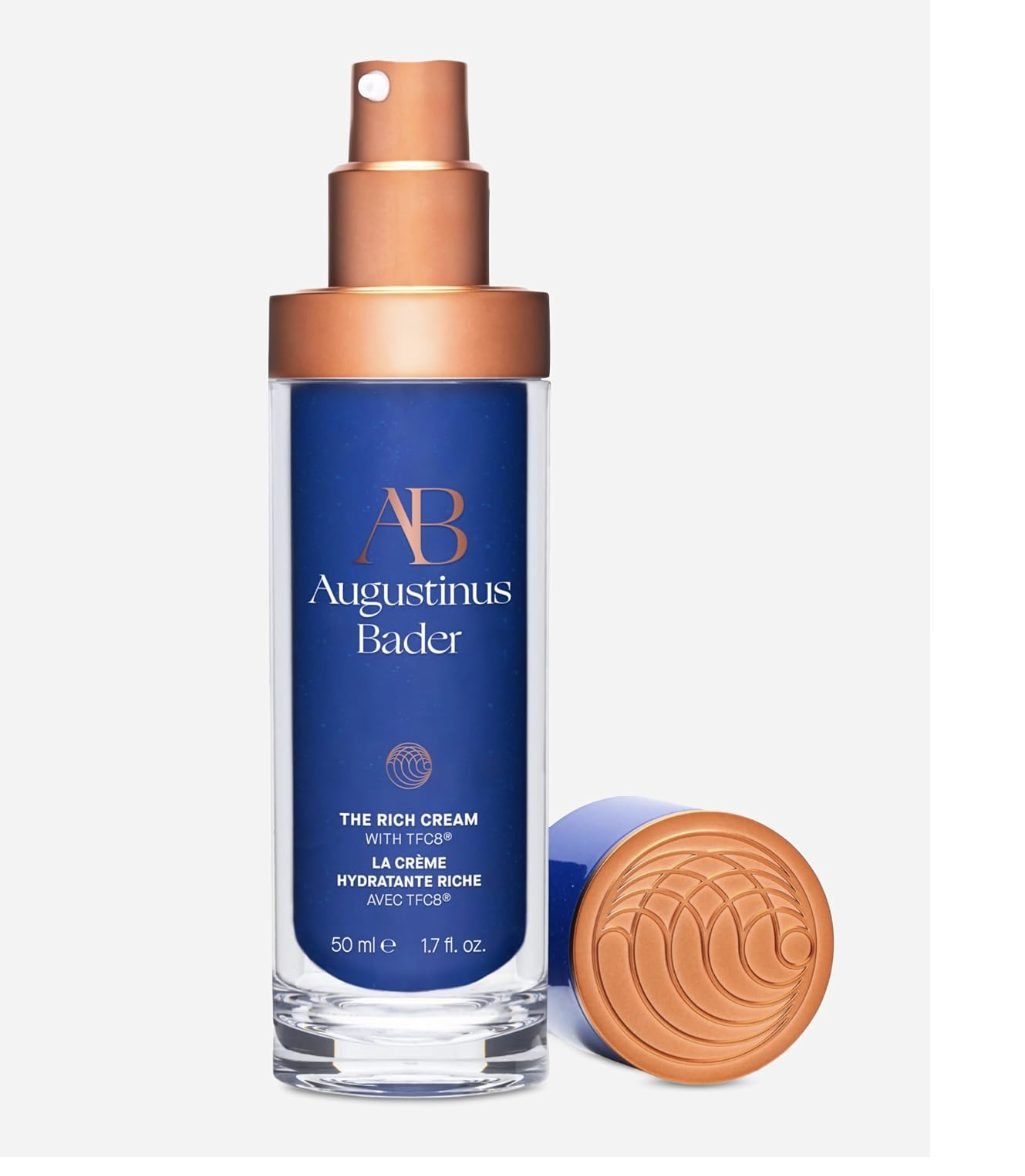
Augustinus Bader The Rich Cream — sold directly by the brand, the deepest and most current review base of the five, and a real research story behind the formula, not just packaging.
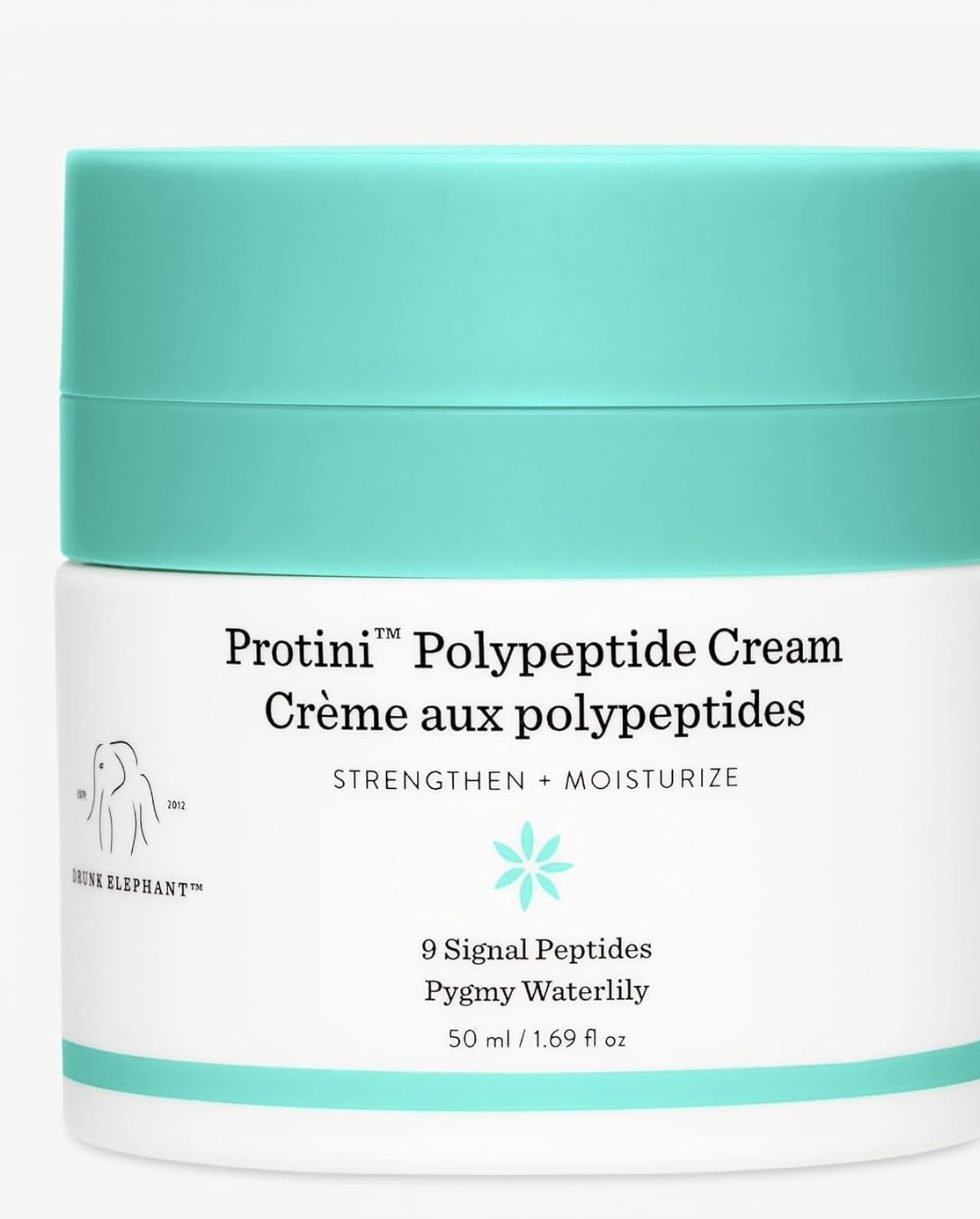
Drunk Elephant Protini Polypeptide Cream — the lowest price on this list, the most-reviewed by a huge margin (3,000+ ratings), and reliably in stock, unlike some of the others here.
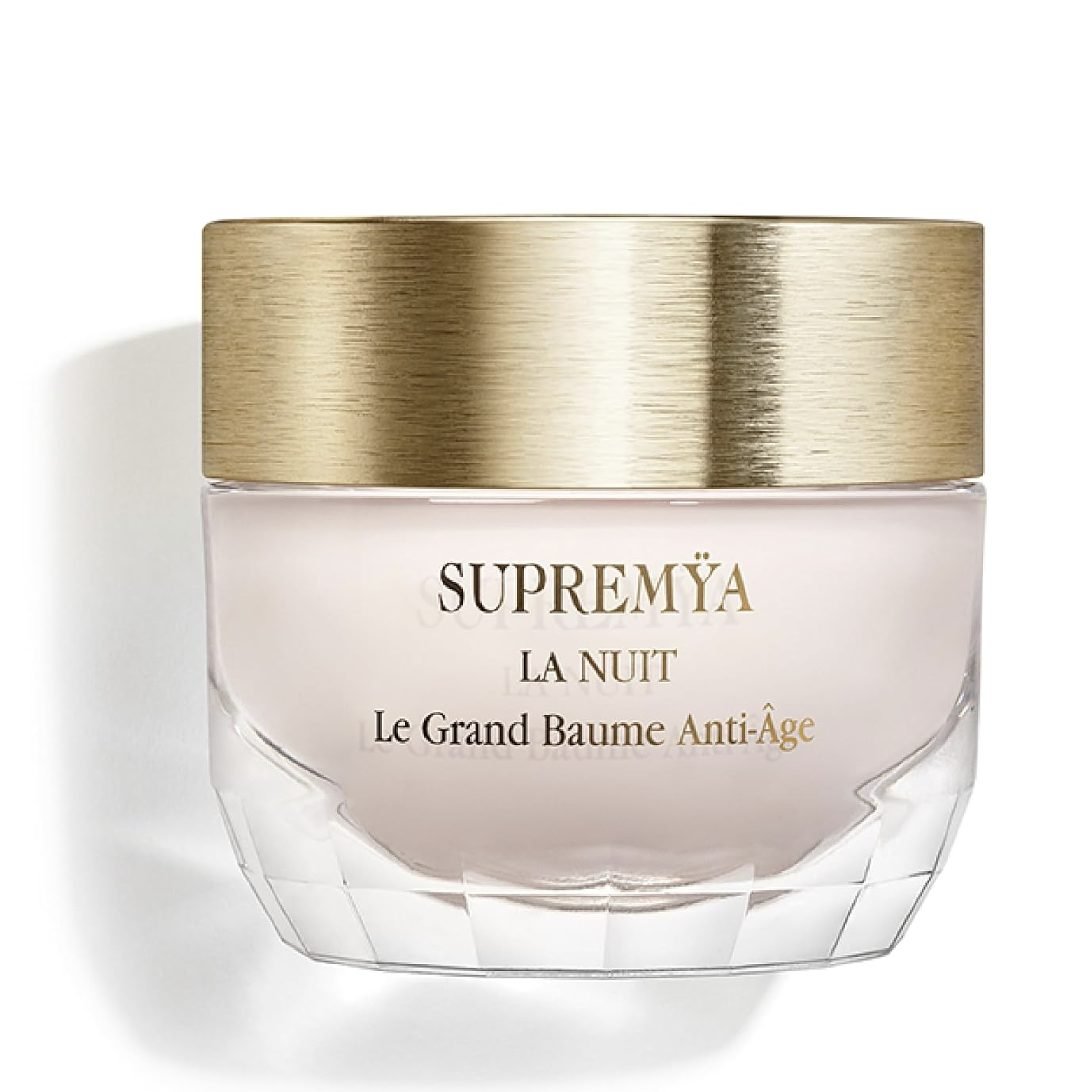
Sisley Paris Supremÿa at Night — on Amazon this listing is sold by a third-party reseller, not Sisley, and carries real authenticity complaints. Buy it from Sisley directly instead.
| Product | Price | Key ingredient / tech | Best for | |
|---|---|---|---|---|
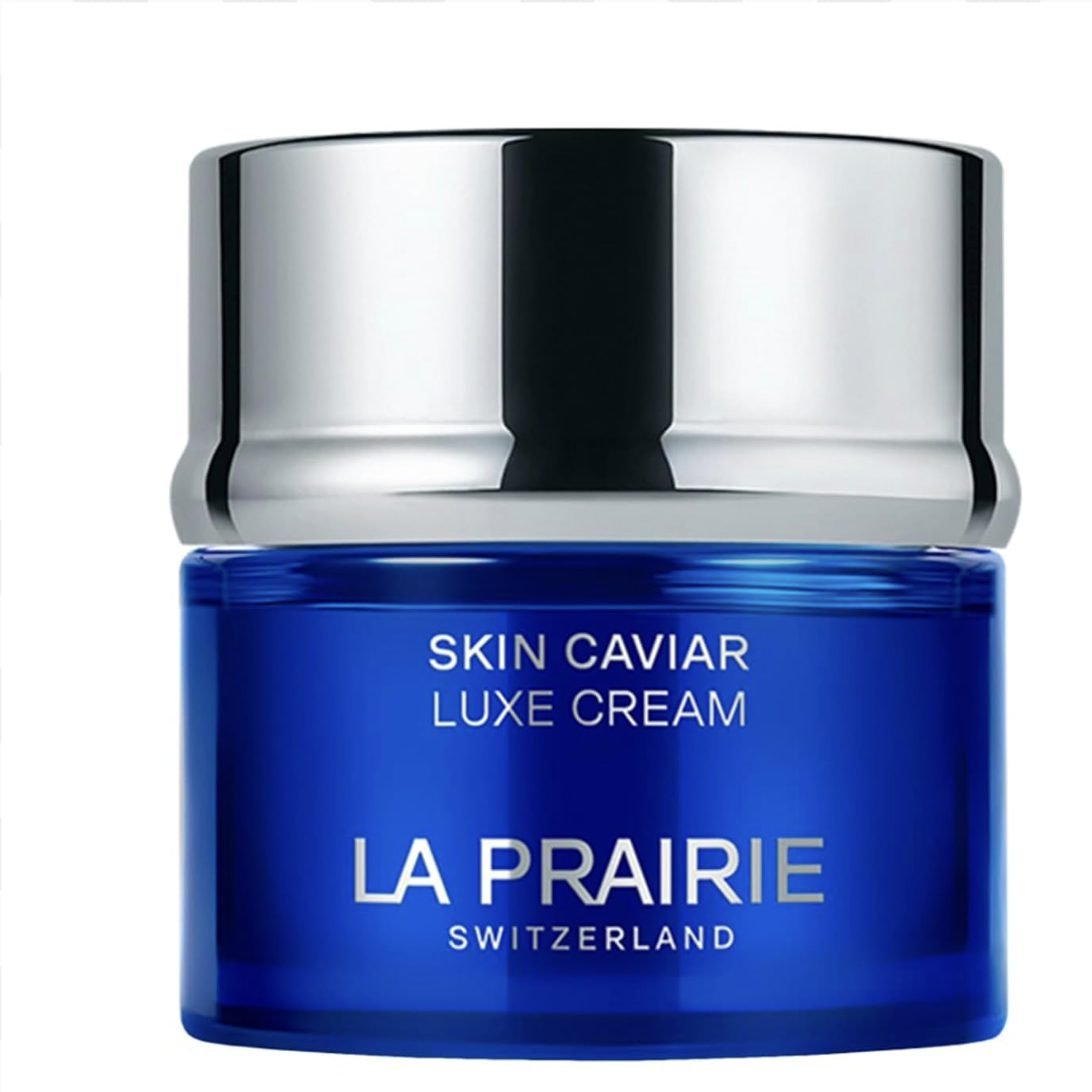
| La Prairie Skin Caviar Luxe Cream | ~$610 | Caviar PDRN + Caviar Premier complex | Ultra-rich texture, mature skin, Swiss-prestige ritual | Check price on Amazon |
| Sisley Paris Supremÿa at Night | ~$1,020 | Sisley's proprietary botanical renewal complex | Loyal Sisley users restocking — buy from Sisley direct | Check price on Amazon |
| Augustinus Bader The Rich Cream | ~$315 | TFC8® bioactive complex | Very dry or mature skin wanting fast, visible results | Check price on Amazon |
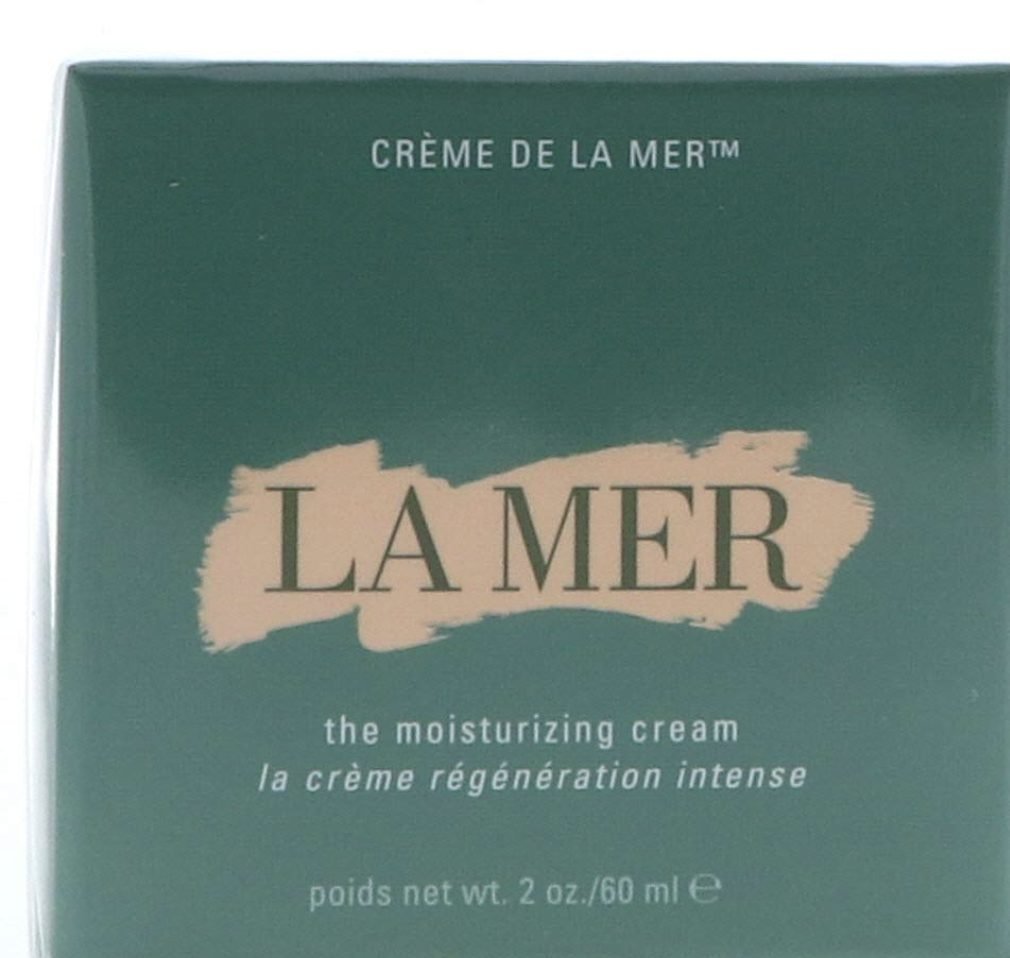
| La Mer Crème de la Mer | ~$385 | Fermented "Miracle Broth" sea-kelp base | Name recognition, the classic splurge gift | Check price on Amazon |
| Drunk Elephant Protini Polypeptide Cream | ~$72 | 9 signal peptides, fragrance-free gel-cream | Normal to combination skin, first-timers to prestige skincare | Check price on Amazon |

La Prairie has been the reference point for what "old money skincare" looks like since the 1970s, and the Skin Caviar Luxe Cream is the brand's flagship for a reason: caviar-derived peptides, built into a texture that's noticeably richer than almost anything else in this comparison. On skin, it behaves less like a daily moisturizer and more like a finishing treatment — it sits, it seals, and the next morning your face genuinely feels denser and more supported, which matters most on mature or very dry skin that's lost some of its own barrier function.
What you're paying for here isn't a single miracle ingredient, though — it's Swiss formulation heritage and a jar that photographs beautifully on a vanity. If you're the kind of person who wants both the result and the ritual of unscrewing that heavy glass lid every night, this delivers. If you just want the most effective anti-aging ingredient per dollar on this list, it's not the most efficient way to get there.
One thing worth flagging plainly: on Amazon specifically, this product carries a surprisingly small number of verified reviews for something this expensive, which means you're leaning more heavily on La Prairie's decades of reputation than on a deep pool of recent buyer feedback. That's not disqualifying — it's just worth knowing before you commit.

Sisley Paris built its reputation on plant-based, high-concentration formulas rather than trend ingredients, and Supremÿa at Night is the brand's most established overnight treatment — a rich cream meant to work while you sleep, without the layering ritual some luxury routines demand. Loyal users describe waking up to visibly smoother, more supported skin, especially through the months when skin loses moisture faster.
Where this gets complicated is not the formula — it's where you're buying it. The Amazon listing for this cream is fulfilled by a third-party reseller, not Sisley directly and not shipped by Amazon. The review history for that listing includes complaints that are hard to ignore: one buyer said their jar arrived already opened and used, and another flagged the product as not authentic. Ratings on that listing sit noticeably lower than everything else on this page, and for a cream over $1,000, that's not a small concern.
Our honest read: the formula itself has real fans, and if you already own and love other Sisley products, that loyalty is understandable. Just don't buy it through this listing. Sisley's own site or an authorized department-store counter guarantees authenticity in a way a third-party Amazon seller simply can't, and at four figures, that guarantee is worth more than the small convenience of one-click Amazon checkout.

Augustinus Bader earned its reputation the unusual way for a luxury brand — not through decades of legacy branding, but through Professor Bader's own research background in stem cell biology, which is where the brand's signature TFC8® complex originated. The Rich Cream is the brand's heaviest, most nourishing formula, built for dry and mature skin that needs real barrier support rather than a light daytime lotion.
Of the five products in this comparison, this is the one with the deepest, most current pool of verified Amazon reviews, and the pattern in that feedback is unusually consistent: people notice a difference within one to two weeks, not months, which is rare for anything marketed as "just" a moisturizer. It layers cleanly under makeup, plays well with retinoids and other actives, and the fragrance-free formula makes it one of the safer luxury picks for sensitive skin.
The honest caveat, straight from the reviews themselves: several long-time buyers say plainly that while they love how it feels, they can't point to it doing something a well-formulated, much cheaper barrier cream couldn't also do. A handful of buyers also received units with a faulty pump on their first order. Neither is a dealbreaker, but they're worth knowing before you spend this much on a jar. If you're only trying one cream from this list, this is the one we'd point you to.

There's a reason Crème de la Mer shows up in more "what's in your bag" interviews than almost any other skincare product on Earth: it's the moisturizer people have heard of even if they've never set foot in a Sephora. The formula centers on La Mer's fermented "Miracle Broth," a sea-kelp base the brand has used, largely unchanged, since the original formula was developed decades ago. The texture is rich without feeling heavy, and it's built to sit on top of skin as a final, sealing step.
Name recognition is genuinely part of what you're buying here, and that's not a criticism — for a lot of people, giving or receiving this specific cream carries meaning that a lesser-known jar at the same price doesn't. Long-time users describe it as their one non-negotiable splurge.
Where we'd ask you to slow down: Amazon listings for this specific cream are inconsistent. Some show unclear or fluctuating pricing and stock, and — surprisingly for such a famous product — the number of verified reviews on Amazon is small. A few of those reviewers were candid that it didn't do more for their skin than creams costing a fraction of the price. Buy it for the ritual and the name; don't expect it to out-perform every cheaper cream on ingredients alone.

Protini is the odd one out on this list, and that's exactly why it belongs here. Everything else above is old-world prestige — a heritage house, a jar with a decades-long backstory. Protini is the opposite: a "clean" skincare brand built almost entirely around this one jar, and the numbers back it up. This listing carries over 3,000 ratings — several times more than the rest of this page combined — and it's still selling 900-plus units a month years after launch. That kind of sustained repeat-buying is hard to fake with marketing alone.
The formula is straightforward: nine signal peptides in a lightweight gel-cream base, built to support the skin's own collagen production rather than sit on top of it like a heavier occlusive cream. It's fragrance-free and free of essential oils and silicones, which is why it tends to get recommended for sensitive or reactive skin more often than the richer creams above — it layers cleanly under sunscreen and makeup instead of pilling.
Two honest things to know before you order. At $72 for 50ml, it isn't actually cheap in absolute terms — it just looks affordable next to a $600 caviar cream, which says more about this list than about the product. And despite the fragrance-free, dermatologist-tested label, a real minority of reviewers report breakouts or sensitivity, so if your skin reacts easily, patch-test on your jaw for a few nights before working it into your full routine.
Price alone tells you almost nothing about whether a face cream is right for your skin. The first real question is texture and skin type: rich, occlusive creams like La Prairie, Sisley and Augustinus Bader's Rich Cream are built for dry or mature skin that's lost some barrier function — on normal or combination skin, that same richness can feel heavy or even trigger breakouts. If your skin leans normal to oily, a lighter gel-cream like the Drunk Elephant pick will usually outperform a dense night cream, no matter what it costs.
The second question is what you're actually trying to fix. Hydration and barrier support are things a well-formulated cream can genuinely deliver, and you'll usually feel that within a week or two. Deeper concerns — real collagen support, pigmentation, fine lines that have been there for years — respond much more slowly, and no cream at any price replaces what retinoids, sunscreen and consistency do over months, not days.
Where it's worth paying more: formulas with a documented ingredient story (published research, a named patented complex, a brand that sells directly on Amazon so you know what you're getting) tend to be a safer bet than paying purely for heritage branding. Where it's usually not worth paying more: once you're past a certain concentration of a good active ingredient, a bigger price tag mostly buys packaging, scent, and brand story — not a meaningfully better result.
Ignore marketing language like "clinically proven" unless the brand names the actual study or the specific ingredient concentration. "Clinically proven to improve the appearance of skin" can mean almost anything. A brand that tells you the exact number or percentage of its key active ingredient — a named peptide count, a stated acid concentration — is telling you something you can actually evaluate.
Sometimes, but not automatically. A well-formulated $40 cream with a solid concentration of ceramides, glycerin or hyaluronic acid can out-hydrate a $300 cream that leans more on texture and branding than active ingredients. What luxury price usually buys you is texture, a documented ingredient story (like TFC8® or a patented antioxidant blend), and, for some people, the experience itself — not a guaranteed multiple of the results.
For hydration and surface texture, most people notice a difference within one to two weeks of consistent use. For anything deeper — firmness, fine lines, tone — give it a full 8 to 12 weeks before deciding whether it's working, since that's roughly how long skin's visible renewal cycle takes.
Generally yes, but sequence matters. Vitamin C serums are formulated for morning use, under sunscreen. Retinol and rich night creams both belong in an evening routine — apply retinol first on clean, dry skin, wait a few minutes, then seal it in with a rich cream if your skin tolerates the combination. If you're new to retinol, introduce it a few nights a week before layering a heavy cream on top every night.
Yes — most opened jars are good for 6 to 12 months, listed as the "PAO" (period after opening) symbol on the packaging. This is exactly why the "buy the giant discounted jar" instinct can backfire on an expensive cream: if you can't realistically use it up in time, you're paying premium prices for product you'll eventually throw away.
Prestige beauty brands control their pricing and distribution closely, and Amazon listings for the same product can come from the brand itself, from Amazon directly, or from third-party sellers — each with different pricing, stock levels, and (as with the Sisley listing on this page) different levels of authenticity assurance. Always check who's actually shipping the item before you buy, not just the price.